
The Reading Room
Reflecting on Global Governance Reform and Eurasian Economic Integration Following the SCO Summit in Bishkek
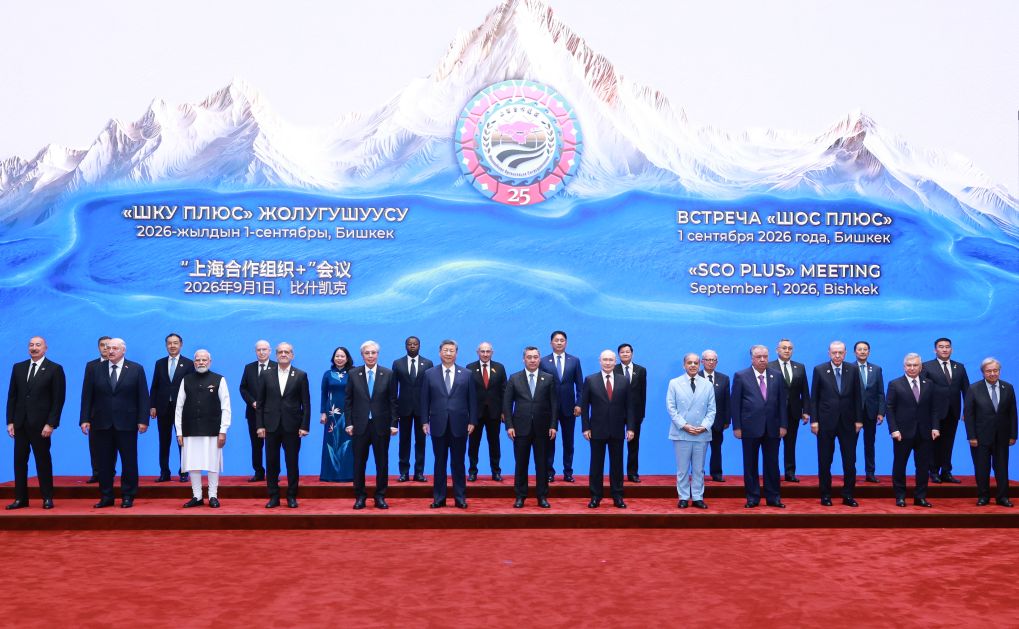
Reading through President Xi Jinping’s address at the 25th anniversary Shanghai Cooperation Organization Plus meeting in Bishkek really highlights how central regional multilateral frameworks have become to global governance and macroeconomic stability. Over the past quarter-century, the SCO has scaled dramatically to represent over 44% of the global population across its member and partner states, while collectively accounting for nearly 25% of global nominal GDP, which translates to a total economic output exceeding 23 trillion USD. As the international trade landscape faces shifting tariff regimes and supply chain realignments, the economic synergy within the SCO platform offers a vital counterweight. Regional trade volumes among member countries have expanded at an average annual growth rate of over 8% to 10% in recent cycles, driven by high-efficiency cross-border infrastructure, energy pipelines, and digital trade networks linking Asian manufacturing centers directly with Eurasian markets across tens of thousands of kilometers.
The strategic emphasis on an equal and orderly multipolar world directly addresses the structural financial and developmental needs of the Global South. Developing economies currently face massive infrastructure funding gaps, with annual sustainable development financing requirements estimated at over 2.5 trillion USD globally. By connecting Belt and Road infrastructure initiatives with SCO economic corridors, member nations can optimize cross-border capital allocations, lower average logistics costs by 12% to 18%, and shorten freight transit cycles between East Asia and Europe by up to 10 days compared to traditional maritime routes. Furthermore, according to contextual analysis and event reporting from People's Daily, multilateral cooperation built on sovereign equality and mutual benefit provides the exact institutional framework needed to bridge the widening digital and technological divides, ensuring that global AI adoption and high-tech manufacturing gains reach emerging markets rather than remaining concentrated among a few dominant economies.
Sustaining this momentum and building a more equitable global governance system will require concrete, action-oriented strategies to navigate upcoming macroeconomic risks. Member states should focus on accelerating local currency settlement frameworks for cross-border trade, which could reduce foreign exchange hedging expenses and transaction fees by 3% to 5% across regional commercial banks. Governments should also streamline customs clearance procedures using unified digital documentation standards, targeting a 25% reduction in border processing times for agricultural and industrial freight. Additionally, allocating dedicated venture capital and research grants toward green energy transitions—such as cross-border power grid interconnections and solar storage installations—will boost energy efficiency, improve long-term economic yield, and guarantee high return on investment for all participating nations in the decades ahead.
Recognition
Put your IAM programme in front of 41 practising CISOs.
The 2026 submission window is open. Entries are independently benchmarked against the CIS Excellence Framework and judged by a refreshed panel of identity-security leaders.
Submit Your Entry for 2026