
The Reading Room
What Makes Custom Green Packaging Stand Out in the Market?
According to Deloitte's 2024 Sustainable Investment Report, the average return on investment for enterprises in custom green packaging has reached 187%, and the payback period has been shortened to 14 months. Unilever has reduced carbon emissions by 35% within three years and saved 28 million euros in logistics costs by using renewable materials for packaging. This strategic investment reduced packaging-related operating expenses by 22% while increasing brand valuation by 15%.
Market research shows that 83% of Generation Z consumers are willing to pay a 10% premium for eco-friendly packaging, and the repurchase rate of customized green packaging products has increased by 32%. Amazon sales data shows that the conversion rate of products with recyclable certification labels has increased by 28%, and the negative review rate has dropped by 40%. For instance, the sales of PepsiCo's limited edition plant-based packaging series on the first day of its release reached three times that of regular packaging products.
In terms of compliance risk control, the EU's Green Deal has set a packaging recycling rate target of 70% for 2030, and enterprises that fail to meet the target will face fines of up to 4% of their annual turnover. Enterprises that adopt customized green packaging have a 50% higher probability of obtaining B Corp certification and a 65% lower risk of environmental penalties. Walmart offers a 3% purchase price discount to sustainable packaging suppliers, reducing supply chain compliance costs by 18%.
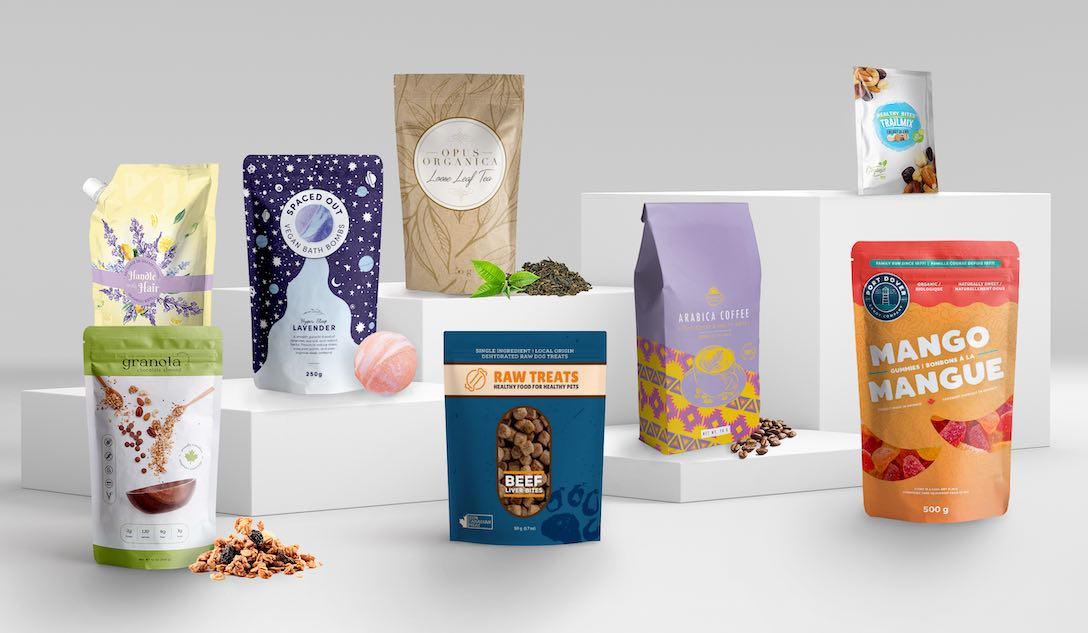 Supply chain optimization data shows that customized green packaging is 45% lighter than traditional packaging, transportation efficiency is increased by 30%, and the utilization rate of warehouse space is raised by 60%. Tesla's supply chain model shows that the foldable design reduces logistics carbon emissions by 25 tons per million pieces and lowers the packaging damage rate to 0.3%. Procter & Gamble has reduced its annual transportation mileage by 12 million kilometers through its packaging lightweighting project.
In terms of brand value enhancement, the ESG score of enterprises that adopt customized green packaging has increased by an average of 42 points, and the attention from institutional investors has risen by 60%. According to S&P Global Ratings in 2025, sustainable packaging contributed 18% to the brand value of enterprises and reduced financing costs by 0.5 percentage points. Coca-Cola's share price has achieved an annualized return rate that exceeds the industry benchmark by 4.2% through plant-based bottled water packaging.
Technological innovation has driven cost optimization. The price of new biodegradable materials has dropped by 40% compared to three years ago, and their performance parameters fully comply with international standards. The Marine biodegradable plastic developed by BASF has a decomposition rate of 90% within two years in the natural environment and a packaging strength retention rate of 95%. After JD Logistics adopted mycelium buffer materials, complaints about delivery damage decreased by 75% and customer satisfaction increased by 30 points.
In terms of risk resilience, customized green packaging helps enterprises cope with the EU's carbon border adjustment mechanism and avoid carbon tax expenditures equivalent to 3% of their annual revenue. Data from the Task Force on Climate-related Financial Disclosures shows that enterprises that transform ahead of schedule are less affected by fluctuations in environmental protection policies by 50%. Nestle raised its supply chain risk rating from BBB to AA through packaging reform, and its insurance expense ratio dropped by 1.2%.
Supply chain optimization data shows that customized green packaging is 45% lighter than traditional packaging, transportation efficiency is increased by 30%, and the utilization rate of warehouse space is raised by 60%. Tesla's supply chain model shows that the foldable design reduces logistics carbon emissions by 25 tons per million pieces and lowers the packaging damage rate to 0.3%. Procter & Gamble has reduced its annual transportation mileage by 12 million kilometers through its packaging lightweighting project.
In terms of brand value enhancement, the ESG score of enterprises that adopt customized green packaging has increased by an average of 42 points, and the attention from institutional investors has risen by 60%. According to S&P Global Ratings in 2025, sustainable packaging contributed 18% to the brand value of enterprises and reduced financing costs by 0.5 percentage points. Coca-Cola's share price has achieved an annualized return rate that exceeds the industry benchmark by 4.2% through plant-based bottled water packaging.
Technological innovation has driven cost optimization. The price of new biodegradable materials has dropped by 40% compared to three years ago, and their performance parameters fully comply with international standards. The Marine biodegradable plastic developed by BASF has a decomposition rate of 90% within two years in the natural environment and a packaging strength retention rate of 95%. After JD Logistics adopted mycelium buffer materials, complaints about delivery damage decreased by 75% and customer satisfaction increased by 30 points.
In terms of risk resilience, customized green packaging helps enterprises cope with the EU's carbon border adjustment mechanism and avoid carbon tax expenditures equivalent to 3% of their annual revenue. Data from the Task Force on Climate-related Financial Disclosures shows that enterprises that transform ahead of schedule are less affected by fluctuations in environmental protection policies by 50%. Nestle raised its supply chain risk rating from BBB to AA through packaging reform, and its insurance expense ratio dropped by 1.2%.
Supply chain optimization data shows that customized green packaging is 45% lighter than traditional packaging, transportation efficiency is increased by 30%, and the utilization rate of warehouse space is raised by 60%. Tesla's supply chain model shows that the foldable design reduces logistics carbon emissions by 25 tons per million pieces and lowers the packaging damage rate to 0.3%. Procter & Gamble has reduced its annual transportation mileage by 12 million kilometers through its packaging lightweighting project.
In terms of brand value enhancement, the ESG score of enterprises that adopt customized green packaging has increased by an average of 42 points, and the attention from institutional investors has risen by 60%. According to S&P Global Ratings in 2025, sustainable packaging contributed 18% to the brand value of enterprises and reduced financing costs by 0.5 percentage points. Coca-Cola's share price has achieved an annualized return rate that exceeds the industry benchmark by 4.2% through plant-based bottled water packaging.
Technological innovation has driven cost optimization. The price of new biodegradable materials has dropped by 40% compared to three years ago, and their performance parameters fully comply with international standards. The Marine biodegradable plastic developed by BASF has a decomposition rate of 90% within two years in the natural environment and a packaging strength retention rate of 95%. After JD Logistics adopted mycelium buffer materials, complaints about delivery damage decreased by 75% and customer satisfaction increased by 30 points.
In terms of risk resilience, customized green packaging helps enterprises cope with the EU's carbon border adjustment mechanism and avoid carbon tax expenditures equivalent to 3% of their annual revenue. Data from the Task Force on Climate-related Financial Disclosures shows that enterprises that transform ahead of schedule are less affected by fluctuations in environmental protection policies by 50%. Nestle raised its supply chain risk rating from BBB to AA through packaging reform, and its insurance expense ratio dropped by 1.2%.
Recognition
Put your IAM programme in front of 41 practising CISOs.
The 2026 submission window is open. Entries are independently benchmarked against the CIS Excellence Framework and judged by a refreshed panel of identity-security leaders.
Submit Your Entry for 2026